Close

Register your interest

Thank you! Your submission has been received!
Oops! Something went wrong while submitting the form.

what architects expect from a builder on a high end residential project

Architecturally designed homes sit at the intersection of concept and craft. While drawings define intent, it is the builder who ultimately determines whether that intent is realised with clarity or diluted through execution.

For architects working on high end residential projects, the builder is not simply a contractor. They are a critical design partner whose decisions on site shape proportion, materiality, and spatial experience.

When that relationship works well, architecture translates seamlessly from paper to place.

interpreting design beyond the drawings

Architects expect builders to read drawings with intent, not just accuracy. Understanding the rationale behind a line, junction, or dimension is as important as following it.

Design intent often lives in subtle moves such as alignment, shadow, reveal, and rhythm. These qualities cannot always be fully described in documentation. Builders working in this space must recognise what is essential to preserve and where tolerance truly matters.

This level of understanding allows builders to protect design outcomes when conditions on site inevitably differ from what was anticipated.


precision in material and detail

High end residential architecture frequently relies on restraint and precision rather than complexity. Small inconsistencies in setout, junctions, or finish can significantly alter the perception of a space.

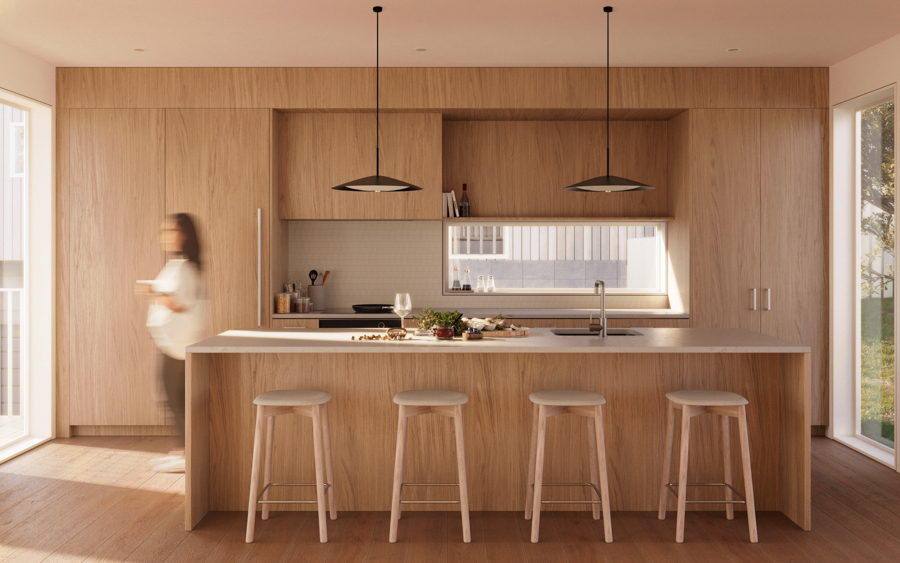
Architects expect builders to deliver consistency acrossmaterials and details, particularly where elements meet or contrast. Custom joinery, exposed structure, and refined material transitions demand a highlevel of craftsmanship and control.

Execution is not about simplification. It is about fidelity.

construction as a design process

From an architectural perspective, construction is not a separate phase but an extension of design. Decisions continue to be made onsite, often in response to real conditions, light, or material behaviour.

Architects value builders who engage in this process thoughtfully, offering buildable responses that align with the original design logic. The best outcomes emerge when builders contribute insight without overriding intent.

This requires confidence, experience, and a willingness to collaborate rather than default to convenience.

communication as a design tool

Clear communication between architect and builder is fundamental to maintaining design quality. Architects expect issues to be raised early and discussed openly, with enough context to allow considered decisions.

Silence or delayed communication often forces rushed outcomes that compromise both design and programme. Open dialogue allows the team to respond with intention rather than reaction.

In well run projects, communication becomes a design tool in its own right.

respecting the design framework

Architects expect builders to work within the agreed design framework. This includes respecting approvals, details, and the decision making hierarchy established for the project.

Unapproved changes, even when well intentioned, can undermine coherence and erode trust. Successful projects rely on builders who understand when to act independently and when to pause and consult.

Respect for process is inseparable from respect for design.

the role of site discipline

The quality of an architectural outcome is often reflected in the condition of the site. Organisation, sequencing, and care directly affect accuracy and finish.

Architects expect a level of site discipline that supports precision. Clean set out, protected materials, and controlled workflows all contribute to the integrity of the final build.

Poor site management introduces variables that no amount of design resolution can correct.

commercial clarity and trust

While architects are deeply invested in design quality, they are equally aware of financial constraints. What they expect from builders is clarity rather than optimism.

Accurate pricing, transparent allowances, and honest discussion around alternatives allow informed decisions to be made without undermining trust. Surprises late in the project place strain on both relationships and outcomes.

Integrity in cost management supports integrity in design.

long term collaboration

Architects tend to return to builders who consistently deliver thoughtful outcomes. Technical skill matters, but reliability, communication, and shared values matter more over time.

Builders who approach projects with a long term mindset contribute to stronger architecture across multiple commissions, not just a single build.

why this matters for clients

For homeowners, the alignment between architect and builder directly affects the quality of their home. Strong collaboration reduces compromise, improves problem resolution, and results in spaces that reflect the original vision.

Choosing a builder experienced in architecturally designed homes is not only a construction decision. It is a design decision.

closing reflection

Architectural projects succeed when builders engage as custodians of design intent rather than mere executors of documentation.

When technical skill, communication, and respect for design align, architecture gains depth, clarity, and longevity. The result is a home that performs spatially, materially, and emotionally exactly as it was intended.