Close

Register your interest

Thank you! Your submission has been received!
Oops! Something went wrong while submitting the form.

What the new RMA reforms mean for homeowners and developders?

New Zealand’s planning landscape is entering its most significant shift in a generation. With the Resource Management Act being replaced by the Natural and Built Environment Act(NBEA) and the Spatial Planning Act (SPA), the way we design, consent, and build homes will evolve gradually but meaningfully.

For homeowners creating a bespoke architectural home, and for developers shaping multi-unit neighbourhoods, these reforms bring both clarity and new expectations. The next decade will favour those who understand the rules, plan ahead, and work with builders and architects who value precision and collaboration.

A clearer but more demanding system

The intention behind the reforms is simple: fewer conflicting local rules, stronger environmental protections, and more strategic long-term planning. Over time, regional plans will replace today’s patchwork of district rules, creating more predictability though the transition period may feel inconsistent.

Homeowners and developers should expect:
● More consistent rules across regions
● Stronger environmental considerations around earthworks, water, and site responsiveness
● A greater emphasis on documentation quality, with councils expecting clarity and complete information upfront

This doesn’t mean projects will become harder, just that careful preparation and the right team become more essential.


For homeowners building their dream architectural home

Those designing a new home may notice councils paying closer attention to how a house interacts with its landscape: stormwater, sunlight, planting, materials, and site shaping. Architectural homes often thrive under these principles, but only when supported by rigorous documentation and a builder who understands compliance nuances.

During this transition period, consent pathways can vary. A builder with strong QA systems, transparent communication, and experience navigating changing council expectations will help avoid delays and ensure the design intent isn’t compromised.

For developers: a shift toward strategic, high-quality urban growth

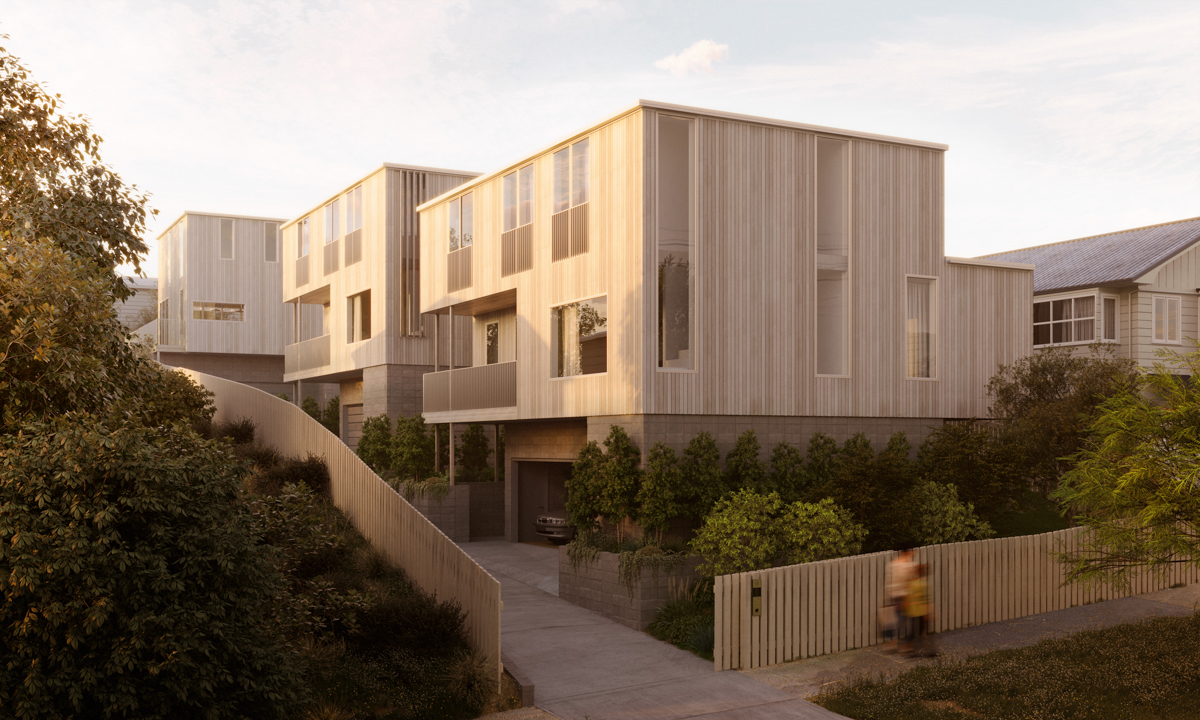
Developers delivering multi-unit architectural projects will feel the reforms more directly. The introduction of 30-year regional spatial plans will influence where growth is encouraged and where constraints tighten. Projects aligning with these plans particularly those offering high urban design quality are expected to progress more smoothly.

Design-led housing, strong environmental integration, and thoughtful community outcomes will be rewarded in this new system. Developers will need builders who can not only deliver quality at scale but also interpret consent conditions, manage risk, and maintain cost certainty in a more structured regulatory environment.

Why choosing the right builder matters now more than ever

As the planning system evolves, the value of a trustworthy, technically fluent builder becomes undeniable. The right construction partner will:

● Collaborate closely with architects to ensure compliance and buildability

● Provide clear, council-ready documentation

● Demonstrate environmental responsibility on-site

● Offer transparent programmes, pricing, and variation management

In a period of legislative change, confidence and clarity are crucial. Homeowners and developers deserve a builder who can navigate the shifting landscape while protecting their vision and their investment.

To better understand the changes and how they will affect you, get in touch with the team at Bare Construction. We can take you from the first design sketch through to the final coat of paint.